Augmented
reality
Enhance Experience With Augmented Reality
Augmented reality is an enhanced version of reality created by the use of technology to overlay digital information on an image of something being viewed through a device.
Some QR codes in stick form will be pasted on objects in the building with a mobile phone, the visitor will then be able to access the content displayed on that web page
Key Features of Augmented Reality:
Enhanced Visitors
Engagement
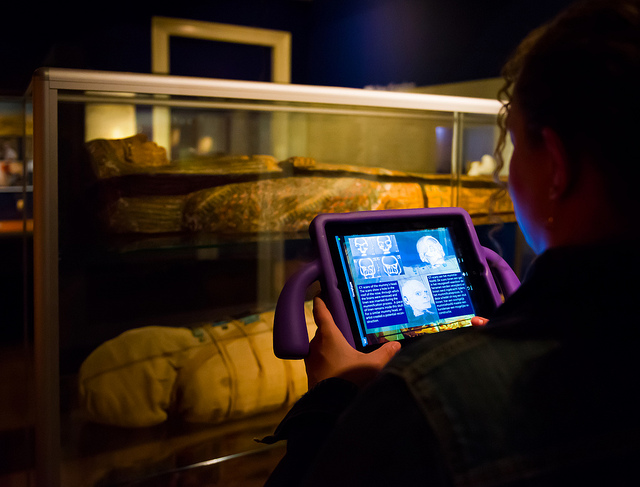
Interactive Exhibits: AR can transform static exhibits into interactive experiences, allowing to visitors to engage with the content in a more immersive way
Gamification: Incorporating game-like elements can make learning more enjoyable and encourage visitors to explore more of the museum
Educational Enrichment
Additional Information: AR can provide supplementary information about exhibits, such as historical contxt related artifacts, and detailed explanations, accessible through AR-enabled devices
Visualization: It can bring to life historical events, ancient cultures, or extinct species, helping visitor to visualize and understand complex subjects.
Personalized Experience
Customized Tours: Visitors can choose AR-guided tours on their interests, providing a tailored experience that can adapt to their preferences and knowledge levels.
Multilingual Tours: AR can offer information in multiple languages, making exhibits accessible to a wider audience.
Accessibility &
Inclusivity
Support for Disabilities: AR can assist visitors with disabilities by providing visual or audio guides, making the museum experience more accessible.
Tactile Feedback: For visitors who are visually impaired, AR can be combined with haptic feedback devices to offer a more inclusive experience.
Interactive Learning
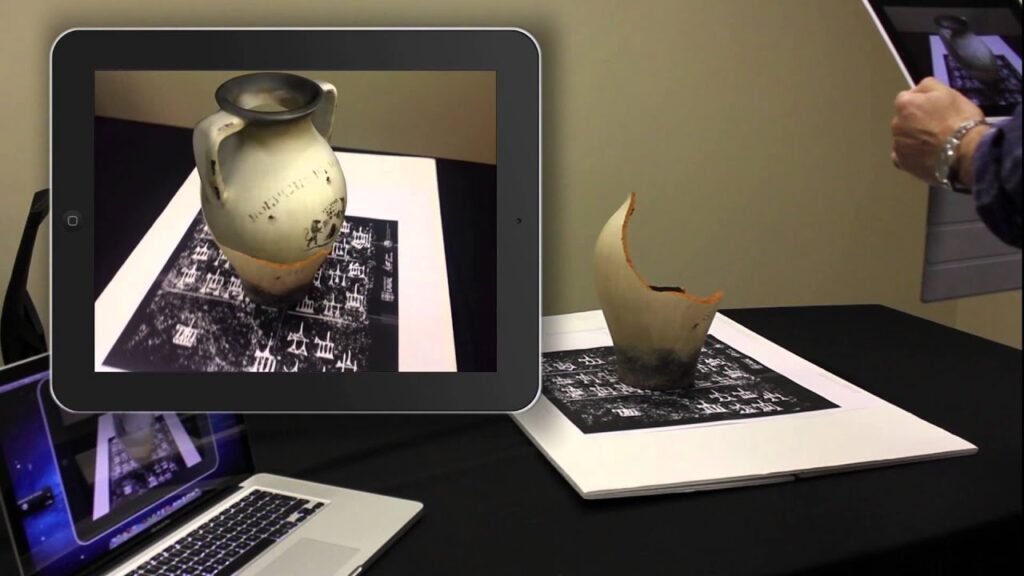
Augmented Reconstructions: AR can reconstruct ruins or damaged artifacts, showing visitors how they originally looked and functioned
3D models: Interactive 3d models can be manipulated by visitors to explore artifacts from different angles and understand their structure and usge
Increase Engagement
Outside
Real-time Updates: can easily update AR content, ensuring that the information provided is current and relevant without altering physical displays
Events Integration: AR can be used to enhance temporary exhibits or events, providing additional layers of interaction and information that can be changed or removed as needed. Museums
Data collection
& Analysis
Visitor Insights: AR can track how visitors interact with exhibits, providing valuable data on visitor preferences and behavior that can be used to improve future exhibits and experiences.
Feedback Mechanisms: Integrated feedback systems can capture visitor opinions and suggestions, helping museums to continually improve their offerings.
Dynamic and
Up-to-Date Content
Extended Reality: AR can offer experiences that extend beyond the museum zalls, such as AR- enabled mobile apps that allow visitors to explore related content at home or in other locations.
Marketing and Outreach: Museums can use AR for promotional activities, engaging potential visitors and providing a preview of what they can experience inside.